Material chemistry
HDPE (High-Density Polyethylene) is a thermoplastic polyolefin — a long-chain polymer of ethylene monomers. PVC (Polyvinyl Chloride) is a chlorinated thermoplastic. HDPE is flexible with high impact strength; PVC is rigid with excellent tensile strength but lower impact resistance below 5°C. HDPE resists a broader range of chemicals including strong acids, alkalis and hydrocarbons; PVC handles most chemicals but is attacked by aromatic hydrocarbons and ketones.
Jointing and leak integrity
HDPE uses heat-fusion (butt fusion or electrofusion) creating a homogeneous, monolithic pipeline. The joint becomes stronger than the pipe itself — zero leakage over decades. PVC uses solvent-cement jointing or elastomeric rubber-ring joints — quick to install but dependent on joint quality and gasket ageing. For long, buried, high-pressure lines, HDPE’s fusion joint is unmatched. This is why every serious Jal Jeevan Mission trunk line specifies HDPE.
Pressure & temperature handling
PE 100 HDPE handles up to PN 16 at 20°C; PE 80 handles up to PN 12.5. Rigid PVC handles up to PN 10 at 27°C in standard grades. Both derate at higher temperatures — HDPE more gracefully due to flexibility. HDPE also handles pressure surges (water hammer) far better because its flexibility absorbs pressure spikes. PVC is more brittle at low temperatures and can crack during transport and installation in winter.
Application suitability
HDPE is preferred for: trunk mains, Jal Jeevan Mission distribution, industrial process piping, gas distribution, mining slurry, landfill leachate, marine outfalls and any application requiring flexibility or corrosion immunity. PVC is preferred for: agricultural laterals, borewell casing (with specific grades), cold-water plumbing inside buildings, drainage (SWR), and light industrial cold-water lines.
Installation and handling
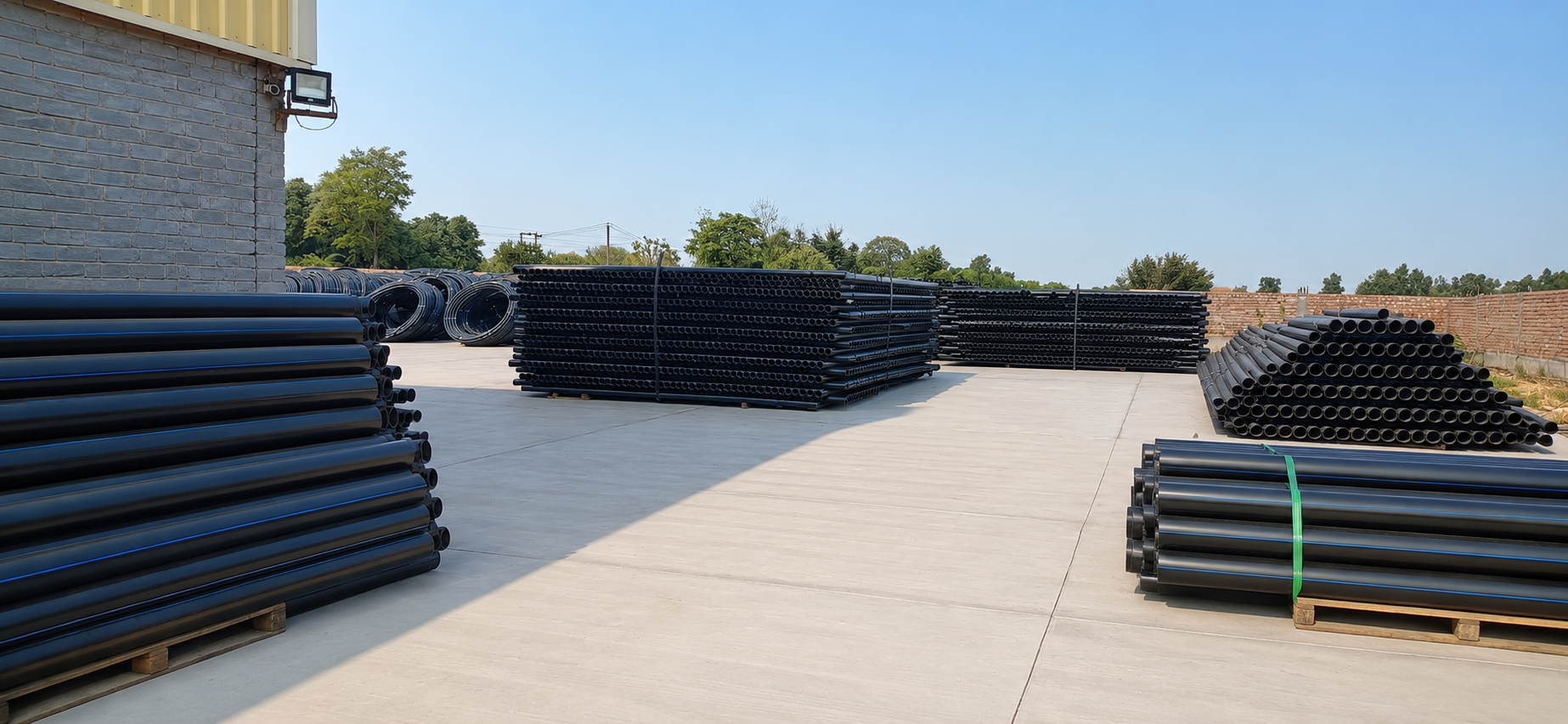
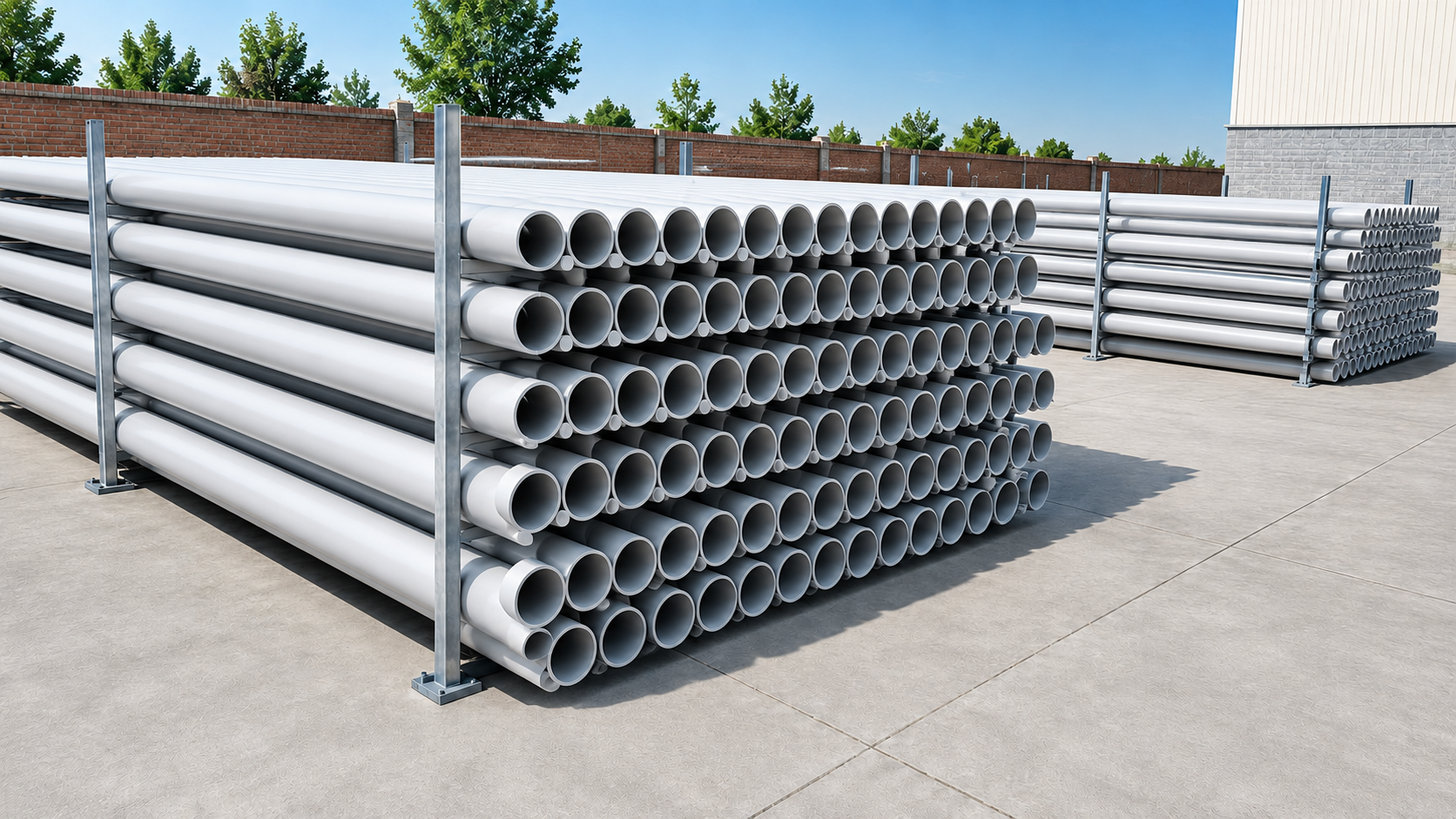
HDPE pipes 20–75 mm are supplied in coils of 100–300 m, dramatically reducing joint count in lateral networks. Larger sizes are supplied in 6–12 m straight lengths. PVC is always supplied in straight lengths — typically 3 or 6 m. HDPE’s flexibility allows it to negotiate contours without fittings; PVC needs elbows and bends. However, PVC is easier for unskilled labour to join with solvent cement, while HDPE fusion requires a trained operator and equipment.
Cost of ownership
PVC has 15–20 percent lower upfront cost per metre; HDPE has 30–40 percent lower lifecycle cost thanks to zero-leak joints, longer service life and lower maintenance. For a 20-year infrastructure investment, HDPE typically wins on total cost of ownership. Government schemes are increasingly specifying HDPE for this reason.
When to choose which
Choose HDPE when: pipe is buried, pressure is above PN 6, ground movement is expected, chemical resistance is critical, or fusion-joint reliability matters. Choose PVC when: pipe is above ground or inside a building, pressure is up to PN 10, installation labour is unskilled, or upfront cost is the dominant constraint. Almax manufactures both — our engineering team can advise on the right choice for your project.