Two polyolefins, two different jobs
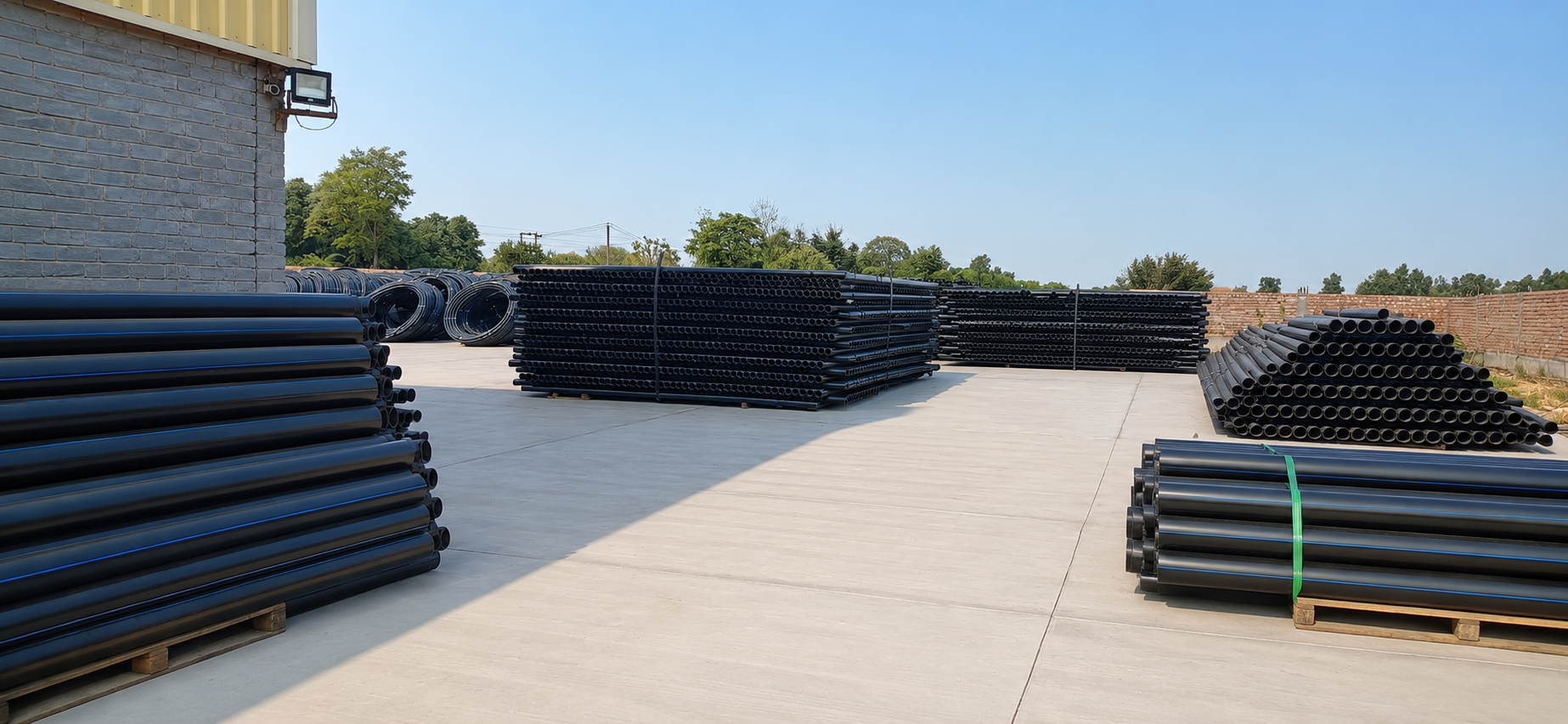
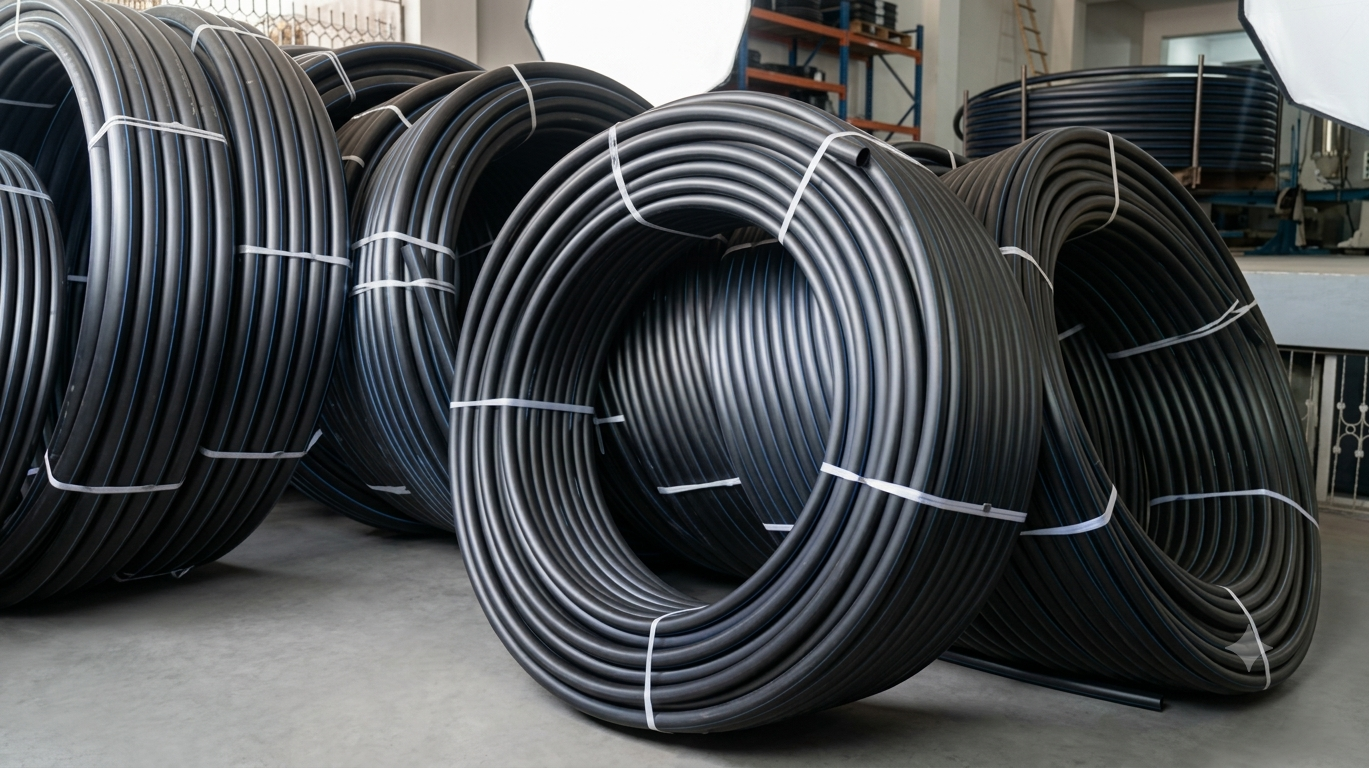
HDPE (High-Density Polyethylene) and PPR (Polypropylene Random Copolymer) are both polyolefins, both heat-fusion welded, both non-corrosive. Yet they serve very different applications. HDPE is optimised for cold-water infrastructure and industrial pipelines; PPR is optimised for hot-and-cold plumbing inside buildings.
Temperature performance
The single biggest differentiator is temperature. HDPE derates rapidly above 40°C and is not recommended for continuous hot-water service. PPR-C (Type 3) handles 0°C to 95°C continuous operation — with a 50-year service life at 70°C at PN 20 pressure. This makes PPR the material of choice for hot-and-cold building plumbing, solar water heating and chilled water systems.
Jointing techniques
HDPE uses butt fusion (welded ends), electrofusion (heated coupling) or compression fittings — all producing highly reliable joints. PPR uses socket-fusion welding — the operator heats both the pipe end and the fitting socket with a heating iron for 5–8 seconds, then pushes them together to form a one-piece, leak-proof joint. PPR socket fusion is fast, requires simple equipment and is ideal for congested building spaces.
Pressure ratings
HDPE pipes typically range PN 2.5 to PN 16, sized from 20 mm to 1000 mm+, and used from potable water at PN 6 to high-pressure industrial fluids at PN 16. PPR pipes are sized 20 mm to 160 mm with PN 10, PN 16, PN 20 and PN 25 ratings, dominant in the 20–110 mm range for plumbing risers and mains.
Application matrix
HDPE for: water supply trunk mains, sprinkler irrigation, gas distribution, mining slurry, industrial cold-water and effluent lines. PPR for: hot and cold potable water plumbing in residential and commercial buildings, solar water heating, industrial cooling water, compressed air (specific grades) and food and beverage process piping.
Cost and installation speed
PPR pipes cost more per metre than HDPE but install faster inside buildings. PPR needs no elbows in short runs — the pipe can be bent locally after heating. HDPE inside buildings would require larger fittings and more space. However, for underground long-distance piping, HDPE is far more cost-effective.
How to choose
Choose PPR for building plumbing where hot water is carried or where solvent-cement joints are unacceptable. Choose HDPE for underground water networks, agricultural, industrial and telecom infrastructure. Almax manufactures both HDPE and PPR pipes to Indian Standards — the two lines complement each other for full building-to-network coverage.